Health, Safety Audits and Inspections

Health, Safety Audits and Inspections
Health and safety audits and inspections are critical components of an effective workplace health and safety (WHS) management system.
These processes are designed to ensure that organizations comply with health and safety legislation, identify risks, and implement measures to protect the well-being of employees and visitors. While audits and inspections are related, they serve different purposes and are conducted differently.
Here’s a closer look at each:
Health and Safety Audits
A health and safety audit is a systematic, thorough review of an organization’s health and safety management system. Its primary goal is to verify whether the system meets internal and external standards and regulations, and to ensure it’s effectively implemented and maintained. Audits are typically conducted by external auditors or qualified internal staff not directly involved in the operational aspects being audited.
Key Components of a Health and Safety Audit Include:
- Documentation Review: Evaluating the completeness and adequacy of safety policies, procedures, and records.
- Compliance Assessment: Checking compliance with local and national safety regulations and industry standards.
- Risk Management: Reviewing the effectiveness of risk assessment procedures and the implementation of risk control measures.
- Interviews: Speaking with employees and management to gauge their understanding and implementation of health and safety practices.
- Report and Recommendations: Producing a detailed report that highlights findings, including any non-compliance or areas for improvement, and recommending corrective actions.
Audits are generally less frequent and more comprehensive than inspections, often forming part of an annual review process.

Health and Safety Inspections
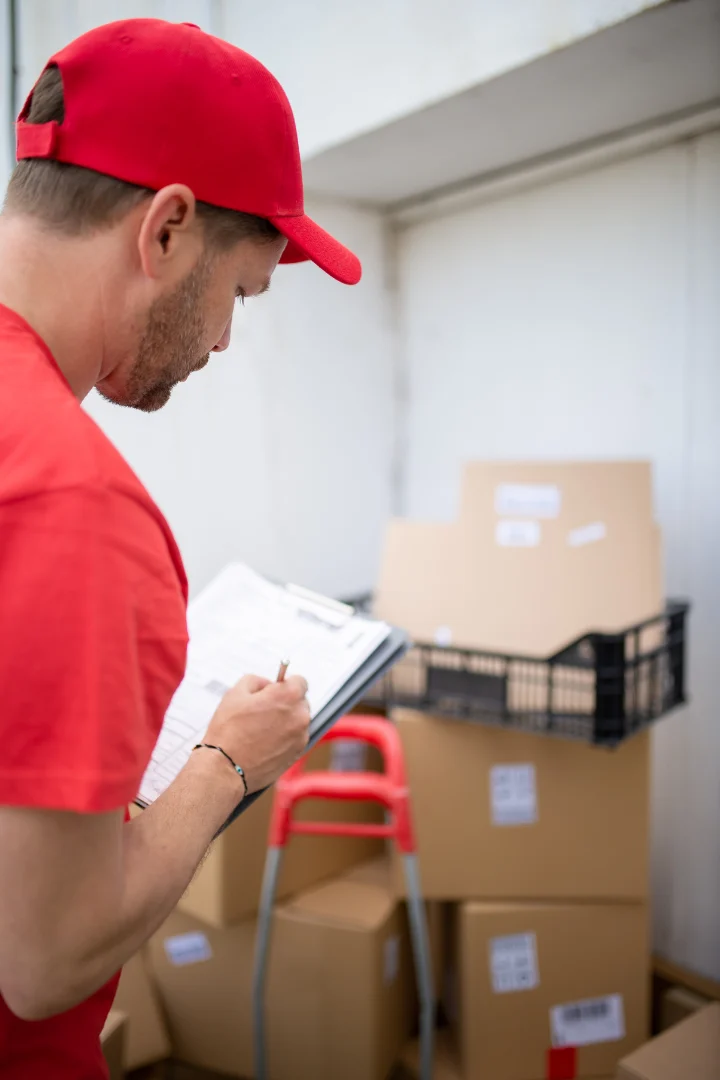
Inspections are routine assessments of the workplace aimed at identifying and rectifying immediate risks and non-compliance with health and safety standards. Inspections are usually conducted by trained personnel from within the organization, such as safety officers or health and safety committee members.
Key Aspects of Health and Safety Inspections Include:
- Physical Inspection: A walkthrough of the workplace to identify hazards such as unsafe work practices, equipment malfunctions, or violations of safety protocols.
- Corrective Actions: Implementing immediate measures to address identified hazards, which may include repairing equipment, adjusting work processes, or providing additional training to employees.
- Documentation: Keeping records of inspection findings and corrective actions taken. This documentation is crucial for tracking improvements and for compliance purposes.
- Employee Involvement: Engaging employees in the inspection process can provide valuable insights into daily operations and potential risks.
Inspections are more frequent and targeted than audits, focusing on specific areas or operations within the workplace.
Importance of Audits and Inspections
Both audits and inspections are vital for:
Ensuring Compliance: Helping organizations adhere to health and safety regulations, thus avoiding legal penalties.
Risk Management: Identifying and mitigating risks to prevent accidents and occupational illnesses.
Continuous Improvement: Providing a basis for continual improvement in health and safety performance.
Employee Well-being: Demonstrating a commitment to protecting employees, which can enhance morale and productivity.

Conclusion
In our experience, effectively implementing health and safety audits and inspections is not just about compliance; it’s a fundamental aspect of responsible business management. These practices are essential for identifying risks, ensuring a safe working environment, and fostering a culture of safety within the organization. Regular and thorough audits and inspections are key to maintaining high safety standards, protecting employees, and ultimately, ensuring the smooth operation of the business.